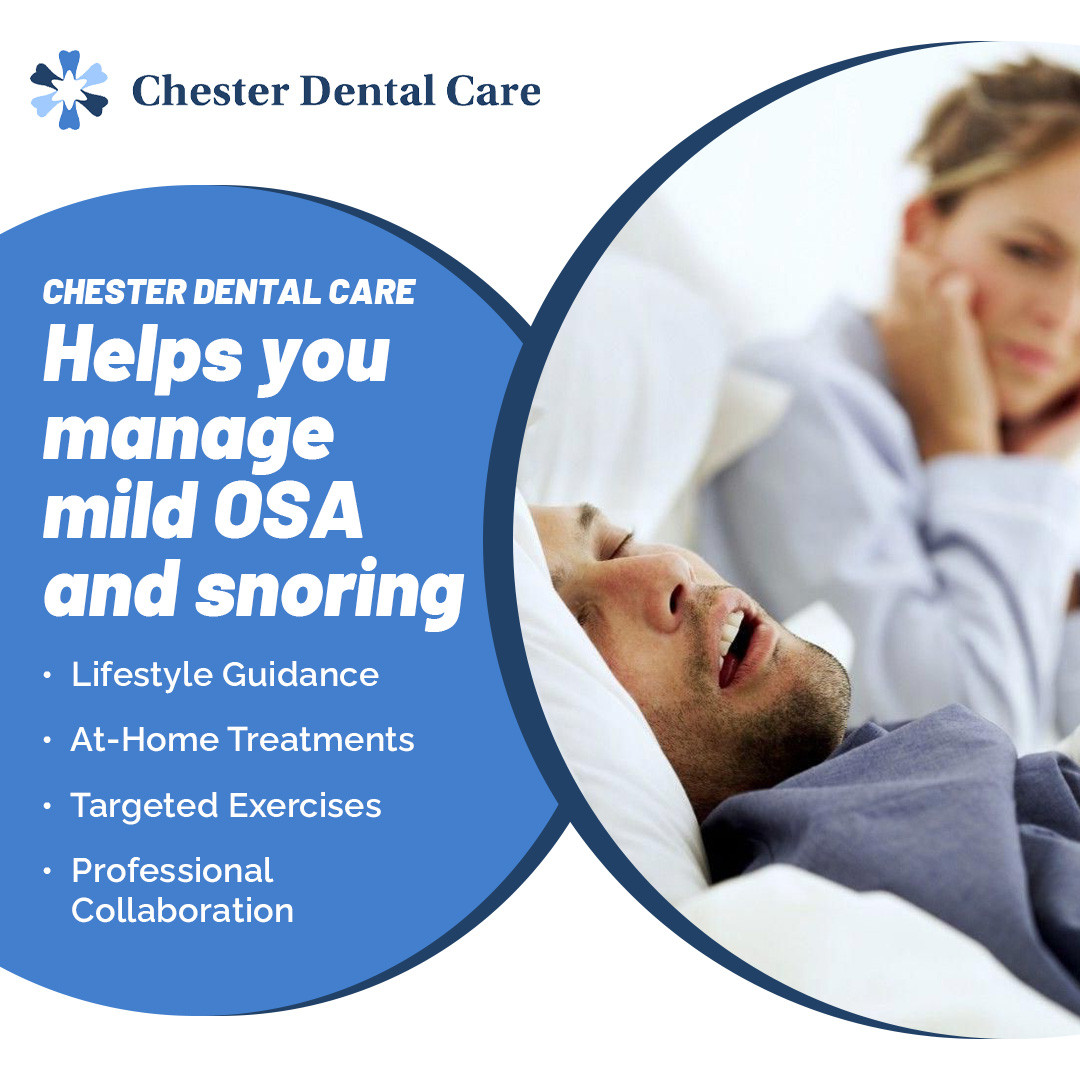
CHESTER, VA – Chester Dental Care is sharing information to help residents understand mild obstructive sleep apnea (OSA), a common sleep disorder that affects many Americans. The airway-focused dental practice explains how mild OSA impacts health and highlights available snoring treatments and other options for those experiencing symptoms.
Current estimates indicate OSA affects 12% of the US adult population, totaling approximately 29.4 million individuals, with 80% remaining undiagnosed. Chester Dental Care aims to increase awareness of this widespread condition and help people recognize when they should seek professional evaluation.

Understanding Mild OSA and Its Impact
Mild obstructive sleep apnea occurs when breathing stops or becomes shallow five to fifteen times per hour during sleep. This measurement, called the Apnea-Hypopnea Index (AHI), helps doctors classify sleep apnea severity. Mild OSA is diagnosed when the AHI falls between 5 and 15 events per hour, while normal sleep shows fewer than five events hourly.
During these breathing interruptions, oxygen levels drop and sleep becomes fragmented. The repeated awakenings prevent the deep, restorative sleep the body needs for proper function. Common symptoms include loud snoring, morning headaches, daytime fatigue, and difficulty concentrating.
Many people dismiss snoring as a minor annoyance rather than recognizing it as a potential sign of a sleep disorder. Chester Dental Care emphasizes that even mild cases deserve attention because untreated OSA can lead to serious health complications over time.
Treatments for Snoring and Mild OSA
Multiple snoring treatments exist for people with mild OSA, ranging from simple lifestyle changes to professional interventions. Understanding these options helps individuals make informed decisions about their health.
Regular dental cleanings also support airway health by reducing inflammation and maintaining healthy oral tissues, which can help minimize factors that contribute to airway obstruction during sleep.
Lifestyle modifications provide the foundation for managing mild sleep apnea. Weight loss reduces fat deposits around the neck that can compress the airway. Sleeping on your side instead of your back prevents gravity from pulling throat tissues backward. Avoiding alcohol before bedtime prevents excessive muscle relaxation that worsens breathing interruptions.
Snoring Treatment at Home
Several home snoring treatment options help open airways and reduce symptoms. Elevating the head of the bed by four inches prevents the tongue from blocking the throat. Nasal strips physically open the nostrils to improve airflow. Humidifiers add moisture to dry air that can irritate throat tissues and cause congestion.
Staying well-hydrated throughout the day keeps throat tissues moist and less likely to vibrate loudly during breathing. Managing allergies with appropriate medications reduces nasal congestion that forces mouth breathing.
Snoring Treatment Exercises
Research shows that snoring treatment exercises can strengthen airway muscles and reduce symptoms when practiced consistently. These myofunctional exercises target the tongue, throat, and facial muscles that control airway openness during sleep.
Tongue exercises involve pressing the tongue flat against the roof of the mouth and sliding it backward repeatedly. Throat strengthening includes pronouncing vowel sounds loudly while exaggerating mouth movements. Singing provides similar benefits while being more enjoyable for many people.
Practicing these exercises twice daily for several months can lead to noticeable improvements. While exercises alone may not eliminate mild OSA, they complement other treatment approaches effectively.
Natural Treatment for Snoring
Natural treatment for snoring includes several approaches that work without medical devices or procedures. Essential oils like eucalyptus or peppermint in a bedside diffuser may help open nasal passages. Certain herbal teas with anti-inflammatory properties can reduce throat swelling that contributes to airway narrowing.
Establishing consistent sleep schedules provides adequate rest, which prevents the excessive fatigue that worsens symptoms. Regular physical activity improves overall muscle tone, including the muscles surrounding the airway.
Professional Evaluation and Treatment
Chester Dental Care emphasizes the importance of professional evaluation when snoring disrupts sleep or when symptoms suggest OSA. While dentists cannot diagnose or directly treat OSA, their airway-focused approach helps identify and manage oral and facial factors that may contribute to it. The practice examines connections between jaw structure, airway size, and breathing patterns.
Treatment options may include oral appliances that reposition the jaw to keep airways open during sleep. The practice collaborates with other healthcare providers to address underlying causes rather than just managing symptoms.
Book Your Airway-Focused Dental Appointment Today
Call (804) 748-2555 or email [email protected] to schedule a visit or learn more about their airway-focused dental care and professional treatments for snoring.
About Chester Dental Care
Chester Dental Care in Chester, Virginia, serves families throughout the Greater Richmond area. Led by Dr. Shwetha Rodrigues, the practice focuses on both general dentistry and sleep-related care, highlighting how oral health influences breathing wellness. With nearly 20 years of experience and advanced airway training, the team works alongside medical professionals to deliver integrated care that combines traditional dental services with support for sleep and airway health.